Getting Started: The Ultimate Beginner's Handbook for Lawn Perfection
Everyone dreams of a lush, vibrant lawn that serves as the perfect backdrop for family gatherings, outdoor activities, or peaceful relaxation. For many beginners, the idea of cultivating the perfect lawn may seem daunting, but with the right guidance, anyone can achieve jaw-dropping results. In this comprehensive handbook, you'll discover simple, effective strategies and expert tips to transform any patchy yard into a green paradise. Whether you're a total novice or just looking to refine your approach, this beginner's guide will put you on the fast track to lawn perfection.
Why Lawn Perfection Matters
Before diving into the practical steps, it's important to understand why striving for a perfect lawn is worth your effort:
- Increases Property Value - A well-maintained, healthy lawn instantly boosts curb appeal and home value.
- Enhances Outdoor Living - Enjoy flexible, beautiful spaces for entertaining, playing, or relaxing.
- Promotes Environmental Health - A healthy turf aids in soil stabilization, water filtration, and carbon sequestration.
- Encourages Natural Biodiversity - Achieving lawn perfection creates a vibrant habitat for birds, insects, and pollinators.
Understanding Your Lawn: Types, Features, and Challenges
Your journey to lawn perfection starts with listening to your lawn's unique needs. Identifying these factors will help you customize the best care routine:
1. Determining Your Grass Type
Not all lawns are the same! There are two main categories of grass: cool-season grasses and warm-season grasses.
- Cool-Season Grasses (Kentucky bluegrass, tall fescue, perennial ryegrass): Thrive in northern climates, staying green in fall and spring.
- Warm-Season Grasses (Bermudagrass, Zoysiagrass, St. Augustine): Grow best in southern, sun-filled regions, turning dormant in cooler weather.
Pro tip: Identify your region and know your grass for targeted results!
2. Analyze Your Lawn's Sun and Soil
Observe sunlight patterns: Does your yard bask in full sun, partial shade, or a mix? Grass types vary in their sun tolerance. Also, test your soil to determine pH, nutrient levels, and soil type (clay, loam, sand). Soil testing kits are affordable and available at most garden centers.
- Soil pH - Most grasses thrive in a pH of 6.0-7.0.
- Nutrient Levels - Check for deficiencies in nitrogen, phosphorus, and potassium.
- Texture - Well-draining loamy soil supports root growth best.
Identifying this baseline is crucial for optimal lawn care.
Building the Foundation: Preparing for Lawn Success
1. Clearing the Space
Start by removing debris such as rocks, sticks, and weeds. Left unchecked, weeds can outcompete grass and spoil your hard work. For new lawns, tilling the soil down 3-4 inches breaks up compaction and improves root penetration.
2. Leveling and Grading
A smooth, level surface creates uniform growth and prevents water pooling. Use a rake to fill low spots and gently Grade soil away from buildings for proper drainage. A roller can help set the seedbed for lawn perfection.
3. Amending the Soil
Based on your soil test, mix in:
- Lime - Adjusts pH if too acidic.
- Compost - Boosts organic matter for fertility.
- Fertilizers - Supplies missing nutrients.
Investing in soil health pays the biggest dividends for the perfect lawn.
Sowing the Seeds for Lawn Perfection
There are two main methods to establish a new lawn: seeding and sodding.
1. Seeding
- Cost-effective - Seeds are inexpensive and allow for custom mixtures.
- Timing - Cool-season grasses should be sown in early fall or spring; warm-season grasses in late spring to early summer.
- Sowing - Use a spreader for even coverage, apply a thin soil layer to cover, and gently water.
Keep soil moist until germination. Avoid heavy water to prevent seed wash-off.
2. Sodding
- Instant Results - Lays down mature grass for an instant green lawn.
- Higher Cost - Sod costs more, but offers immediate curb appeal.
- Installation - Lay sod edges tightly, stagger seams, and roll after installation.
Mowing: The Art and Science of Lawn Perfection
Regular, proper mowing is the heart of lawn perfection. Here's how beginners can master the mower:
- Never remove more than one-third of the blade length in a single mowing. Cutting too short stresses the grass and exposes soil to weeds.
- Sharpen mower blades regularly for a clean, even cut.
- Leave clippings on the lawn as natural mulch--this recycles nutrients and supports lawn health.
Grass height tips:
- Cool-Season Lawns: Keep between 2.5-3.5 inches tall.
- Warm-Season Lawns: Maintain 1-2 inches height for most varieties.
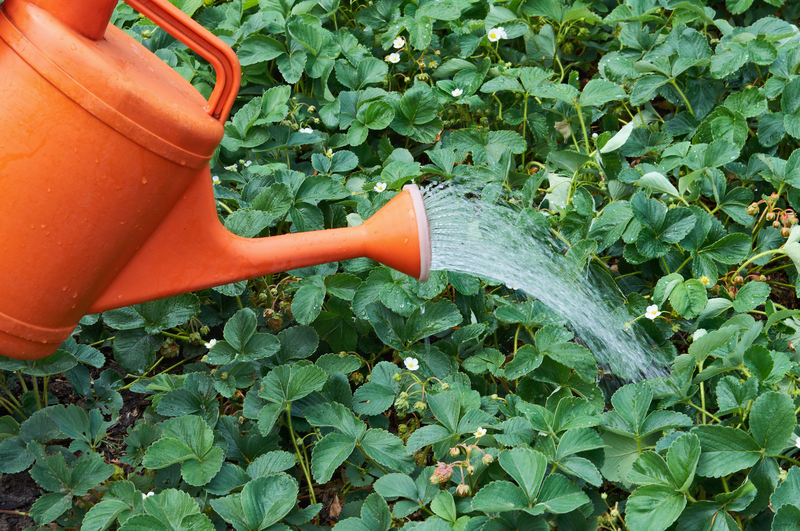
Watering Wisdom: The Secret to Lawn Success
Proper watering is crucial for a perfect green yard--but it's often misunderstood. Follow these beginner watering guidelines:
- Deep and Infrequent - Water lawns deeply (about 1 inch per week) to encourage deep root growth. Shallow, frequent watering leads to weak roots and stress.
- Morning Magic - Water early in the day to reduce evaporation and fungal risks.
- Monitor rainfall - Adjust irrigation based on weather; supplement only during dry periods.
- Use rain gauges or moisture meters to prevent overwatering.
Tip: Signs your lawn needs water include footprints that remain visible and wilting leaf blades.
Fertilizing for Lawn Perfection
Fertilizers feed your turf and keep it emerald green. Here's a beginner's approach:
- Follow soil test recommendations; never blindly apply products.
- Use a slow-release, balanced fertilizer; this prevents flushes of quick, weak growth.
- Time it right -
- Cool-Season Lawns: Fertilize in early fall and late spring.
- Warm-Season Lawns: Fertilize in late spring and mid-summer.
- Even coverage is key - Walk at a steady pace with a spreader in a grid pattern.
- Water after application to dissolve the nutrients into the soil.
Dealing with Weeds, Pests, and Common Lawn Problems
1. Weed Control for Lawn Perfection
- Pre-emergent Herbicides - Block crabgrass and summer annual weeds before they sprout (best applied in early spring).
- Post-emergent Herbicides - Target visible dandelions, clover, and broadleaf weeds. Spot-treat as needed.
- Cultural Controls - Dense grass crowds out weeds. Raise the mowing height, fertilize, and overseed bare spots to prevent weed invasion.
2. Combating Pests and Diseases
Common lawn pests include grubs, chinch bugs, and sod webworms. Indicators include yellow patches, wilting, or spongy soil. Solutions:
- Spot-treat with targeted pesticides for severe infestations.
- Encourage natural predators like birds and beneficial insects.
- Reduce excessive thatch and water only as needed to discourage fungal disease.
3. Repairing Bare Patches
- Rake to loosen soil in the bare area.
- Apply seed or patching mix, then water gently.
- Keep traffic off until grass is well-established.
Advanced Tips and Year-Round Care for Lawn Perfection
Once the basics are in place, a bit of extra effort can create a next-level lawn:
- Dethatch: Remove excess thatch (over 0.5-inch) in spring or fall for healthier grass.
- Aerate: Aeration relieves compaction and improves air, water, and nutrient flow to roots. Core aeration in spring or fall is ideal.
- Overseed Annually: Spreading new seed (especially for cool-season lawns) each fall fills thin spots and boosts resilience.
- Edge Beds and Borders: Crisp edges around driveways, pathways, and flower beds give lawns a professional finish.
- Top Dress with Compost: Every spring or fall, spreading a thin layer of organic compost nurtures the soil and feeds the turf.
Making Lawn Perfection Sustainable and Low-Maintenance
Perfect lawns don't have to consume excessive time, water, or chemicals. Adopt these sustainable practices:
- Choose native or drought-tolerant grass species for your region.
- Use organic fertilizers and compost instead of synthetic products where possible.
- Collect and use rainwater for irrigation to conserve resources.
- Adopt "Grasscycling": Let clippings decompose on the lawn for less yard waste and healthier turf.
- Encourage biodiversity by planting wildflower borders, native shrubs, and pollinator gardens alongside your perfect lawn.
Being mindful of your environment helps create lawn perfection that's sustainable for years to come.
Beginner's Mistakes to Avoid on the Path to Lawn Perfection
Even with the best intentions, novice lawn owners can stumble. Here are classic pitfalls--and how to avoid them:
- Overwatering: Leads to disease and shallow roots.
- Cutting too short ("scalping"): Damages turf and exposes soil.
- Skipping soil testing: Results in ineffective fertilizing and poor growth.
- Neglecting mower maintenance: Dull blades cause ragged cuts and stress grass.
- Improper timing: Planting, fertilizing, and spraying at the wrong time reduces effectiveness.
- Ignoring weeds and pests: A small problem can quickly spread and take over your lawn.
Remember, consistency and observation are key to growing the perfect lawn.
Conclusion: Embark on Your Journey to Lawn Perfection
Transforming a tired plot of land into a breathtaking, lush green lawn is an achievable goal--especially when you arm yourself with proven, beginner-friendly strategies. Get to know your grass type, master the basics of mowing, watering, and fertilizing, and prioritize sustainable, year-round care. Along the way, stay patient, observant, and persistent; lawn perfection is a journey that rewards attentive care and steady progress.
Start today, and soon you'll enjoy a thriving, beautiful lawn to be proud of--season after season!
Quick-Reference Checklist for Lawn Perfection
- Identify grass type & soil features
- Prep: Clear, grade, amend soil
- Plant: Choose seed or sod
- Water: Deep, infrequent, morning times
- Mow: Follow grass-species height, sharp blades
- Fertilize: Per soil test schedule
- Weed: Pre/post-emergent & cultural controls
- Aerate, dethatch, overseed annually
- Edge, top-dress & mulch clippings
- Stay consistent & sustainable
Bookmark this beginner's handbook for your step-by-step journey to lawn perfection.