Cricklewood Station urgent tree pruning by local gardeners: a practical guide for fast, safe, local action
If a tree near Cricklewood Station is leaning awkwardly, shedding limbs, blocking sightlines, or brushing too close to footpaths and property edges, you do not want a vague promise of "we'll get to it next week". You want calm, quick, competent help. That is exactly where Cricklewood Station urgent tree pruning by local gardeners becomes useful: a responsive approach to making a tree safer, tidier, and more manageable without making a drama out of it. In busy London pockets like this, small tree problems can become awkward very quickly. A low branch can snag pedestrians. A dense canopy can catch the wind. A broken limb can turn a normal day into a stressful one. This guide explains what urgent pruning involves, when it makes sense, how local gardeners handle it, and what to check before anyone starts cutting.
To keep things simple, the goal is not just "cut the tree back". The goal is the right cut, at the right time, with the right level of care. That distinction matters more than people think.
Table of Contents
- Why Cricklewood Station urgent tree pruning by local gardeners Matters
- How Cricklewood Station urgent tree pruning by local gardeners Works
- Key Benefits and Practical Advantages
- Who This Is For and When It Makes Sense
- Step-by-Step Guidance
- Expert Tips for Better Results
- Common Mistakes to Avoid
- Tools, Resources and Recommendations
- Law, Compliance, Standards, or Best Practice
- Options, Methods, or Comparison Table
- Case Study or Real-World Example
- Practical Checklist
- Conclusion
- Frequently Asked Questions
Why Cricklewood Station urgent tree pruning by local gardeners Matters
Urgent pruning is about timing and risk. Near a station, even a modest overgrown tree can affect safety, visibility, and everyday movement. People are walking quickly, cyclists are passing, delivery drivers are squeezing through narrow gaps, and station areas tend to feel busier than the average residential street. A tree that would be merely untidy in a quiet cul-de-sac can be a real nuisance by a transport route. Sometimes it is the branch you barely notice. Then one windy evening arrives and, well, it is suddenly the only thing anyone can talk about.
Local gardeners are often a smart first call because they understand the pace and practical constraints of local work. They can assess what needs immediate attention, what can wait, and what should be referred to a specialist tree team if the job is more than routine pruning. That judgement is valuable. Truth be told, not every "urgent" call needs heavy intervention, but every urgent call does need a quick and sensible look.
There is also a visual side to all this. Around station approaches, leaf drop, low branches, and crowding can make a place feel neglected. Good pruning restores order without stripping the tree bare. That balance matters for amenity, public comfort, and the long-term health of the plant.
If you are managing a broader outdoor tidy-up at the same time, it can make sense to coordinate the work with garden maintenance or, if the area has become heavily cluttered with cuttings and debris, garden clearance. A tidy finish is not just cosmetic; it reduces trip hazards and makes the site feel under control again.
How Cricklewood Station urgent tree pruning by local gardeners Works
In practice, urgent pruning usually follows a short, efficient sequence. The emphasis is on speed without rushing the decision-making. A good local gardener will first identify whether the tree issue is minor, moderate, or potentially hazardous. That first look often tells you whether selective pruning is enough or whether the situation needs a more specialist response such as tree lopping and removal. The right answer is not always the most dramatic one.
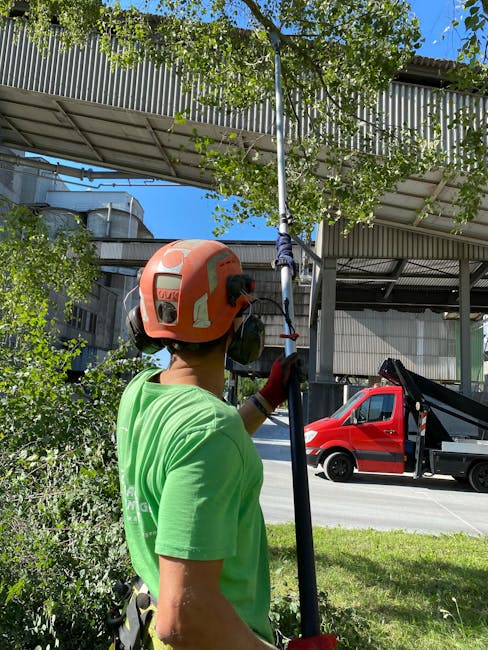
The process often begins with a site visit or fast photo-based assessment. The gardener looks for deadwood, broken limbs, rubbing branches, signs of imbalance, obstruction to pathways, and any obvious stress in the tree. If there is an immediate risk, the work is prioritised. If not, the pruning plan is made to reduce risk while keeping the tree structurally sound.
Local pruning is usually selective. That means removing only the branches that are causing the problem rather than taking off too much at once. A sensible approach protects the tree's shape and helps avoid shock. In a station-adjacent setting, this might include lifting low canopies, shortening branches that are encroaching on walkways, and removing weak growth that could fail in wind. It sounds simple. It is not always simple.
Good gardeners also think about the aftercare. Where will the arisings go? Is the site left safe for pedestrians? Can the work be done without damaging adjacent planting, fences, paving, or nearby features like decking? These are the small details that separate tidy, professional work from the sort of job that leaves you muttering at the mess afterwards.
If the pruning is part of a bigger improvement plan, the team may coordinate with landscaping or landscape gardening so the area feels coherent rather than pieced together. That can be especially useful where visibility, access, and appearance all matter at once.
Key Benefits and Practical Advantages
The obvious benefit is safety. Removing a dangerous limb or reducing heavy overhang lowers the chance of branch failure, blocked access, or awkward contact with passers-by. But there are several other gains that people sometimes overlook.
- Better pedestrian movement: Walkways feel less cramped when branches are lifted clear.
- Reduced wind stress: A more balanced canopy can cope better in exposed conditions.
- Improved visibility: That matters near junctions, entrances, and station approaches.
- Healthier growth: Selective pruning can help a tree direct energy into stronger, better-shaped growth.
- Cleaner surroundings: Less debris on paths, pavements, and nearby planting beds.
- Better presentation: A well-pruned tree looks cared for rather than neglected.
There is another quiet benefit: peace of mind. When the tree is no longer hanging over the problem area, people stop watching it every time the wind picks up. That alone is worth something. If you know, you know.
For properties with multiple garden tasks, the best results usually come when urgent pruning sits alongside regular upkeep such as hedge trimming or lawn mowing. It creates a more stable maintenance rhythm instead of one-off firefighting. And let's face it, nobody enjoys being in constant emergency mode with a garden.
Who This Is For and When It Makes Sense
This kind of service is for anyone dealing with a time-sensitive tree issue close to Cricklewood Station or in the surrounding local streets. That could be a landlord, property manager, shop owner, resident, or someone responsible for shared outdoor space. It also suits people who are not sure whether the situation is serious, but can tell it is not right. That instinct is often worth listening to.
You may need urgent pruning if:
- branches are hanging low over a path or entrance
- deadwood is visible after wind or heavy rain
- the canopy is too dense and catching the wind
- trees are interfering with regular access or visibility
- growth is brushing against fences, roofs, or nearby structures
- the space has become difficult to maintain safely
It also makes sense before a tree issue affects something else. For example, an overgrown branch might be sitting too close to a timber structure, or a messy canopy might be dropping continual debris onto a newly finished area. If that sounds familiar, it can be wise to coordinate pruning with decking services or a wider maintenance plan so the garden works as one whole space, not several separate headaches.
Urgency does not always mean panic. Sometimes it just means acting promptly while the issue is still manageable. That is usually the sweet spot.
Step-by-Step Guidance
Here is a practical way to think about the process from first concern to finished job.
- Identify the problem clearly. Is it a broken branch, overhang, excess weight, or access issue? A short description helps a lot.
- Check the immediate risk. If a limb is visibly unstable or already partially fallen, keep people clear of the area.
- Gather a few useful photos. Wide shots and close shots both help the gardener judge scale and access.
- Ask for a fast assessment. A local team can usually tell you whether pruning, reduction, or another method is best.
- Confirm the plan. Make sure you understand what will be removed, what will stay, and how waste will be handled.
- Prepare access. Move vehicles, give gate access, and clear any fragile items from the work zone.
- Carry out the pruning. The team should make clean cuts and avoid excessive stripping.
- Inspect the result. Check that the area is safe, tidy, and consistent with what was agreed.
- Arrange follow-up care. If the tree will need monitoring, set that expectation now rather than waiting for another surprise.
A small but useful point: if the work is happening in a shared or high-footfall area, ask how the team plans to keep the site controlled while they work. Cones, barriers, or simply sensible sequencing can make a big difference. A five-minute job can become a thirty-minute headache if people keep walking directly through the pruning zone. Happens all the time.
Expert Tips for Better Results
One of the biggest mistakes people make is asking for "as much as possible" to be removed. That sounds decisive, but it often leads to poor shape, weak regrowth, or an unnecessary loss of canopy. Better to describe the actual issue: the branch that scrapes the pavement, the one that blocks sightlines, or the section that seems too heavy after recent winds.
Another good tip is to think in terms of structure, not just appearance. Strong pruning respects the way the tree grows. It keeps the main framework intact while easing pressure on weak points. A gardener with experience will know when a branch should come out completely and when it should be shortened instead. That judgement is the whole game, really.
It also helps to look at the broader site. If the tree is part of a garden that is already untidy, pruning alone may not solve the full problem. In those cases, pairing the work with regular garden maintenance is usually the better long-term move. You get consistency, not just a one-off neat-up.
And here is a small human truth: most urgent jobs go smoother when the client gives clear, practical information rather than apologising for the mess first. There is no need to tidy the story before the gardener arrives. Just tell it straight. A good local team has seen worse, honestly.
One more thing. If the tree is near a boundary, path, or communal area, it is wise to clarify who is responsible for which side of the work. That avoids awkwardness later, and awkwardness is expensive in time if not money.
Common Mistakes to Avoid
There are a few recurring errors that make urgent pruning less effective than it should be.
- Waiting until the tree is obviously dangerous: Early intervention is safer and usually less disruptive.
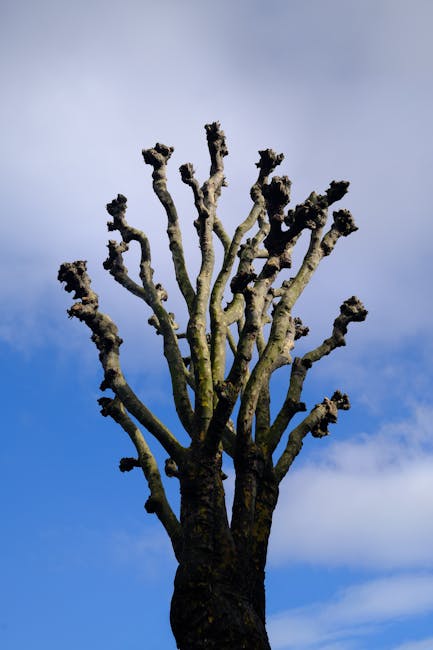
- Over-pruning: Taking too much off can weaken the tree and leave it stressed.
- Ignoring access issues: If the team cannot reach the problem area safely, the work slows down.
- Assuming every tree job is simple: Some trees need a specialist approach, especially if large or structurally compromised.
- Skipping waste removal: Cut branches left scattered around create new hazards.
- Not checking nearby features: Fences, paving, planting, and structures can all be affected if the plan is careless.
There is also the classic mistake of treating pruning like a trim on a hedge. Different plant, different logic. A tree needs respect for its framework and future growth, not just a quick tidy because the weather has been annoying. A slightly messy-looking canopy can be healthier than a brutally shaved one, and that surprises people sometimes.
Tools, Resources and Recommendations
For urgent tree pruning, the right tools depend on the size and condition of the tree, but the important point is not the brand or the gadget list. It is whether the team is equipped to work cleanly, safely, and efficiently. Common tools may include hand pruners, loppers, pruning saws, pole tools, and access equipment suited to the site. For larger or more awkward work, the method matters more than the hand tool. A rushed cut with the wrong access plan is not clever, even if it looks quick.
From a homeowner or manager's perspective, the most useful resources are simple:
- clear photographs of the issue
- a note of any recent wind damage
- details of access, gates, parking, and tight corners
- information on nearby structures or fragile surfaces
- a record of previous tree work, if available
If you are comparing broader garden help, services overview can be useful for understanding how tree work fits alongside other outdoor tasks. For safety and trust, it is also sensible to check a provider's insurance and safety approach and, if you are curious about general service standards, their about us information.
For cost planning, pricing and quotes is the natural place to review how estimates are handled. The better quote is the one that explains the scope clearly, not the one that only looks low at first glance.
Law, Compliance, Standards, or Best Practice
Tree pruning near transport routes and public-facing areas should be handled with care and common sense. In the UK, there are several practical considerations that often matter, even when a job is routine. If a tree is subject to a preservation order, or if the area has specific local restrictions, those requirements need checking before significant work begins. Likewise, if a tree could affect neighbouring land or public access, the work should be planned to avoid unnecessary disturbance.
From a best-practice point of view, the core principles are straightforward: use competent people, make proportionate cuts, keep the work area controlled, and leave the site safe and tidy. That sounds plain, but it is the difference between professional pruning and a rushed hack job. Good practice also means being honest about what the work can and cannot achieve. If a tree is unstable, pruning may not be the whole answer. Sometimes further action is needed, and it is better to say so early.
Responsible teams also think about waste handling and sustainability. Wherever possible, green waste should be disposed of properly or processed in line with local sustainability aims. If that matters to you, take a look at the provider's recycling and sustainability approach. It is a small detail, but small details add up.
Finally, if something goes wrong with service expectations, clear procedures matter. A professional business should be transparent about its complaints procedure, payment terms, and privacy handling. That does not mean you expect trouble. It just means you value clear boundaries, which is fair enough.
Options, Methods, or Comparison Table
Not every tree issue near Cricklewood Station needs the same fix. Here is a simple comparison that can help you understand the main options.
| Method | Best for | Typical outcome | Watch-outs |
|---|---|---|---|
| Selective pruning | Overhanging branches, light obstruction, minor hazard reduction | Cleaner shape, reduced risk, tree remains balanced | Needs judgement to avoid over-cutting |
| Crown reduction | Trees that are too large or wind-exposed but still healthy enough to keep | Smaller canopy with retained structure | Should be done carefully; not a blunt chop |
| Deadwood removal | Broken, dry, or failing limbs | Improved safety and tidiness | May reveal deeper structural issues |
| Tree lopping and removal | Severe instability, major obstruction, or unsuitable tree location | Problem removed rather than reduced | More disruptive; should only be chosen when necessary |
For many urgent situations, selective pruning is the first and best option. It solves the immediate problem while keeping the tree usable and attractive. But if a tree has clearly outgrown its space or is repeatedly causing trouble, a more decisive solution may be more sensible. That is where tree lopping and removal becomes relevant, though it should never be treated as the default answer.
Case Study or Real-World Example
Picture a small front garden near a busy route by Cricklewood Station. After a windy spell, a mature tree starts dropping twigs and one lower branch sags close to the pavement. People are having to duck a little. Nothing dramatic, but enough to make the space feel awkward and unsafe.
A local gardener visits, checks the branch structure, and trims back the encroaching limb while removing damaged growth and deadwood. The work takes less time than the owner feared, but the difference is immediate. The path feels open again. Light returns to the front of the property. A neighbour, who had been eyeing the branch every time the wind picked up, looks visibly relieved. Small moment, big shift.
After the pruning, the gardener recommends keeping the rest of the garden under a light maintenance rhythm so growth does not build up again all at once. The owner later combines follow-up care with hedge trimming and seasonal tidying. It is a modest example, but a realistic one. Most urgent tree jobs are like that: not dramatic, just pressing, and much easier once someone sensible handles them quickly.
Practical Checklist
Use this checklist before booking or approving urgent tree pruning work:
- Have you identified the exact problem area?
- Is the branch or canopy causing immediate risk, blockage, or damage?
- Have you taken clear photos from a few angles?
- Is there safe access for tools and waste removal?
- Do you know whether the tree is shared, protected, or boundary-adjacent?
- Have you asked what will be removed and what will remain?
- Have you checked whether the site needs clearing afterwards?
- Do you want the job coordinated with broader garden work?
- Have you reviewed pricing expectations and payment terms?
- Do you understand what happens if the issue is more serious than pruning alone?
Practical summary: the best urgent tree pruning is fast, but not frantic. It is careful, proportionate, and tidy. It solves the immediate issue while protecting the tree and the surrounding space. That balance is the sweet spot, and it is worth aiming for.
If you need help sorting out a tree that has become a problem too quickly, speak with a local team that understands the area, the pressure points, and the need to act without fuss. For clear next steps, you can use the site's contact us page to start a conversation and keep things moving.
Get a free quote today and see how much you can save.
Conclusion
Cricklewood Station urgent tree pruning by local gardeners is really about good judgement under time pressure. The aim is not to overdo it, and not to delay it either. It is to make the tree safer, the space easier to use, and the job simpler for everyone around it. When that happens, the whole area feels calmer straight away. Less worry, fewer obstacles, better flow.
And that matters in a place where people are always on the move. A well-handled pruning job can be quiet in the best possible way: no fuss, no drama, just a safer, cleaner, more manageable bit of green space. Sometimes that is exactly what you need.
For more context on the company behind the service, you can also review the services overview and about us pages. The right help at the right moment has a way of making everything feel manageable again, which is no small thing.
Frequently Asked Questions
What counts as urgent tree pruning near Cricklewood Station?
Urgent pruning usually means a tree has branches, deadwood, or canopy growth causing immediate safety, access, or visibility issues. If people are having to duck, paths are blocked, or a branch looks unstable after wind, it is worth acting quickly.
Can local gardeners handle urgent pruning, or do I need a tree surgeon?
It depends on the size and complexity of the tree. Local gardeners can often manage selective pruning, deadwood removal, and light reductions. If the tree is large, unstable, or technically difficult, a specialist tree team may be the better fit.
How quickly should urgent pruning be arranged?
As soon as practical. If there is an active risk, do not wait for the "ideal" time. A quick assessment is usually the best first step, even if the final work is relatively small.
Will pruning damage the tree?
Proper pruning should not damage the tree. The aim is to remove problem growth in a controlled way. Over-pruning, blunt cutting, or taking too much at once is what causes trouble.
Is urgent pruning always cheaper than removal?
Usually, yes, because pruning is less invasive and less disruptive than removing a tree. But cost depends on access, size, risk level, and how much waste needs clearing. A straightforward pruning job is normally simpler than full removal.
What if the branches are overhanging a pavement or shared path?
That is one of the classic reasons people call for urgent pruning. The work should be planned carefully so the path stays safe during the job and is left clear afterwards.
Can urgent pruning be combined with other garden work?
Absolutely. In fact, that often makes sense. Combining it with maintenance, hedge trimming, or garden clearance can reduce disruption and keep the site looking tidy for longer.
How do I know if the tree needs pruning or full removal?
If the tree is healthy but overgrown or awkwardly placed, pruning may be enough. If it is badly unstable, repeatedly problematic, or structurally compromised, removal may be the safer option. A proper assessment is the key.
Do I need to prepare the site before the gardener arrives?
Yes, a little preparation helps a lot. Move vehicles if needed, clear access paths, and remove anything fragile from the work zone. It saves time and reduces avoidable hassle.
What should I ask before booking urgent tree pruning?
Ask what will be cut, how the work will be carried out, whether waste will be removed, and whether the team is insured. If there are any unusual risks on site, mention them early.
Does urgent pruning leave the garden looking bare?
It should not. Good pruning removes the problem growth while keeping the tree balanced and natural-looking. If it looks stripped back, that is usually a sign the cut was too heavy.
What is the best follow-up after urgent pruning?
Keep an eye on regrowth, damage after storms, and any recurring access issues. For many properties, a regular maintenance plan is the easiest way to stop the same problem from building up again.